Disney adults are going broke. Gen Z's Peter Pan problem is worse. | Opinion
- 2 minutes ago
- 4 min read
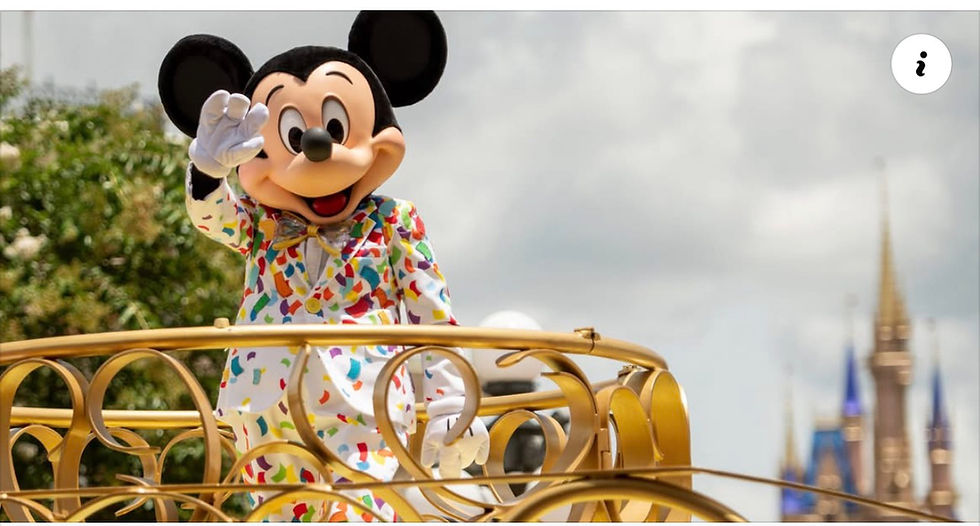
Most people have seen some Disney adaptation of J.M. Barrie’s “Peter Pan,” but the opening line of the original 1911 novel remains one of literature’s most iconic and underrated for its ability to capture an entire plot in a single sentence: “All children, except one, grow up.”
That line still describes a thriving cottage industry with a cult-like following, one geared toward children but increasingly embraced by adults who seem unwilling to grow up. The Walt Disney Co. reported nearly $95 billion in revenue for fiscal year 2025. Not bad for a brand whose supposed target audience – children – typically lacks jobs, credit cards or bank accounts.
In fact, that refusal – or inability – to grow up might explain much of what’s gone wrong with Disney adults and, increasingly, older members of Generation Z, born from 1997 to 2012.
Going into debt as a Disney adult is a choice
As a millennial who grew up on Disney movies and a mom of four, I understand the nostalgia tied to the brand. Most of my kids are past Disney’s prime target age now, though I couldn’t have afforded Disney World when they were younger anyway.
Need a news break? Check out the all new PLAY hub with puzzles, games and more!
In 2026, a week at Disney World is projected to cost a family of four more than $6,000. Still, I don’t begrudge parents who choose that kind of vacation to bond and create lasting memories.
But there’s another subset of Disney vacationers: Disney adults – perhaps the happiest, yet most insufferable, people on earth. These are childless adults, some of whom accrue debt to finance repeated pilgrimages to the Magic Kingdom. A 2024 LendingTree survey found that nearly 25% of Disney visitors had gone into debt to pay for a trip.
A Target trip cost me $300. Are we stuck with high prices forever? | Opinion
Get the The Right Tracknewsletter in your inbox.
Columnist Nicole Russell on conservative values, family and religion.
Delivery: Tue, Thu
Your Email
The New Yorker captured this cult-like subculture well in its May 2 piece "Are Disney Adults the Happiest Debtors on Earth?" Together, the survey and article paint a revealing picture: Gen Z adults are especially likely to go into debt for Disney vacations, all in pursuit of reliving or manufacturing childhood feelings of magic, warmth, happiness and nostalgia.
In one anecdote, a woman recalled that about 20 years ago, dreams of visiting Disney consumed her life. She took more than 10 Disney trips in just five years, going into debt to make them happen.
"Disney World was the opposite of New York City. It was clean. It was sanitized. There were no surprises except good surprises," she said.
A 39-year-old Ohio woman who described herself as only a “mild” Disney adult has made more than 100 trips to Disney in her lifetime. Another woman spent her $15,000 savings on Disney vacations and insisted people shouldn’t judge how others choose to spend their money.
In postmodern America, this might not be shocking. But it is sad. Could you imagine members of the Silent Generation spending a tenth of their annual salary chasing the warm, fuzzy feelings of a corporate brand that first captured their imagination through movies, then repackaged that nostalgia into theme parks?
It’s a kind of meta-manufactured happiness – expensive and hollow.
What happens if Gen Z doesn't grow up?
The irony of a generation of young adults going broke while chasing childhood nostalgia through the world’s most expensive synthetic happiness would almost be humorous if it didn’t reflect a much broader cultural trend: Gen Z is delaying marriage and kids, two traditional markers of adulthood.
Women, especially, are increasingly postponing or rejecting these milestones.
Gen Z now makes up more than 20% of the U.S. population and is the first generation to grow up fully immersed in the digital world, spending an average of more than six hours a day online. Financial instability is often cited as one major reason Gen Z is delaying having children.
I get that. I’ve been a mom for 19 years, and I spend most of my income supporting my kids.
I juggle a lot as a single mom. Companies should make it easier to raise kids. | Opinion
But I suspect something deeper than financial pressure is at work. Gen Z adults going into debt for Disney vacations could symbolize a broader cultural problem: They just don't want to grow up.
They eschew work because that requires discipline. They delay marriage and having kids because they require sacrifice and demand selflessness. It’s a lot easier to play kid at Disney than take on the harder work of raising kids who want to go there. And if that was hard to read, you can watch “Frozen” again and put your next trip to Disney on the credit card.
That might sound harsh, but the pattern is difficult to ignore. For some, delayed adulthood is not merely about economic hardship. It reflects a desire to prolong childhood, avoid responsibility and prioritize comfort, happiness and personal fulfillment over the more difficult obligations that have traditionally defined maturity.
Democrat, GOP redistricting wars heat up. Voters will lose. | OpinionTrump has proven his courage under fire is real | OpinionTrump's would-be assassin echoed Democrats' dangerous rhetoric | OpinionI voted for Trump. Carlson's regret raises a valid question. | OpinionI was suspicious of the SPLC. I was right to be. | Opinion
Gen Z hasn’t postponed marriage, homeownership or children simply because these goals are expensive, though they certainly are. For many, adulthood itself appears less appealing than an extended adolescence centered on experiences, identity and emotional ease – sometimes at the expense of long-term financial stability.
Maybe that’s why Barrie’s line still resonates: “All children, except one, grow up.” For Peter Pan, growing up was impossible. For too many modern adults, it increasingly seems optional. And that could carry consequences far beyond Disney World.


Comments